


Starting your journey to a better lifestyle begins with choosing the right fuel. It is about more than just counting calories. Instead, focus on giving your body the vitamins it needs to thrive every single day.
You can improve your daily routine by selecting high-quality ingredients and balanced portions. Making these small shifts leads to lasting changes in how you feel and move. Nourishing yourself should be an act of kindness.
Feeling vibrant and strong comes naturally when you follow a nutritious eating plan. This approach helps you maintain a steady weight while boosting your mood and focus. By picking whole foods, you support your long-term wellness and physical vitality.
Building a healthy and fresh meal routine allows you to make smart choices without any unnecessary stress. It simplifies your kitchen time and ensures you get essential minerals. Enjoying your favorite dishes while staying fit has never been simpler.
Key Takeaways
- Boost your daily energy and focus levels effectively.
- Simplify grocery shopping and evening food preparation.
- Support long-term weight management and fitness goals.
- Improve your heart health and overall physical wellness.
- Reduce daily stress regarding various food decisions.
- Ensure you receive all vital nutrients for growth.
Understanding the Importance of a Healthy Meal Plan
Understanding the importance of a healthy meal plan can significantly impact your overall health. A healthy meal plan is more than just deciding what to eat; it’s about creating a balanced diet menu that includes all the necessary nutrients your body needs to function optimally.
A well-planned meal supports a healthy lifestyle by providing the body with the necessary nutrients, vitamins, and minerals. It’s about making informed choices that benefit your health in the long run. By incorporating wholesome meal prep into your routine, you can ensure that you’re consuming a balanced diet.
Benefits of Meal Planning
Meal planning offers numerous benefits, including saving time, reducing food waste, and ensuring that you’re consuming a balanced diet. By planning your meals, you can avoid last-minute takeouts and unhealthy eating habits.
- Reduces stress related to deciding what to eat
- Helps in maintaining a healthy weight
- Ensures you’re getting all the necessary nutrients
How Meal Planning Supports a Healthy Lifestyle
A well-planned meal supports a healthy lifestyle by providing the body with the necessary nutrients, vitamins, and minerals. It helps in maintaining energy levels, supporting mental health, and reducing the risk of chronic diseases.
By focusing on a balanced diet menu, you can create a sustainable eating habit that benefits your overall well-being.
Key Components of a Balanced Meal Plan
A balanced meal plan includes a variety of foods from all food groups, portion control, and mindful eating. It’s essential to include a mix of proteins, healthy fats, and complex carbohydrates in your meals.
- Incorporate a variety of fruits and vegetables
- Choose whole grains over refined grains
- Include lean protein sources and healthy fats
Getting Started with Your Healthy Meal Plan
To create a dietitian-approved meal plan, it’s crucial to first evaluate your eating habits and nutritional needs. This initial step is foundational in tailoring a meal plan that suits your lifestyle and health goals.
Assessing Your Dietary Needs
Assessing your dietary needs involves understanding your nutritional requirements based on factors like age, gender, and activity level.
- Consider your daily caloric needs.
- Identify any dietary restrictions or preferences, such as vegetarian or gluten-free.
- Evaluate your current eating habits to pinpoint areas for improvement.
A helpful way to assess your dietary needs is by keeping a food diary for a week or two. This can provide insights into your eating patterns and help identify nutritional gaps.
Setting Realistic Goals
Setting realistic goals is vital for maintaining motivation and achieving success with your meal plan.
- Define Your Objectives: Clearly outline what you want to achieve, whether it’s weight loss, improved energy levels, or managing a health condition.
- Make a Plan: Break down your long-term goals into smaller, manageable tasks.
- Track Your Progress: Regularly monitor your progress and adjust your goals as needed.
Essential Tools and Resources
Having the right tools and resources can make meal planning easier and more efficient. Some essentials include:
- Meal Planning Apps: Apps like MyFitnessPal or Plan to Eat can help organize your meal plans and grocery lists.
- Cookbooks: Look for cookbooks that focus on healthy, balanced meals.
- Kitchen Gadgets: Invest in gadgets like a slow cooker or instant pot to simplify meal preparation.
By leveraging these tools and resources, you can create a clean eating regimen that is both sustainable and enjoyable, setting you up for long-term success with your dietitian-approved meal plan.
Meal Planning for Different Lifestyles
A well-crafted meal plan is not one-size-fits-all; it adapts to individual lifestyles and preferences. Different people have different needs based on their profession, family size, and budget. Understanding these needs is crucial for creating a meal plan that is both effective and enjoyable.
Meal Plans for Busy Professionals
For busy professionals, meal plans need to be quick, easy, and portable. Nutrient-rich meals that can be prepared in advance or cooked quickly are ideal. Some tips include:
- Preparing meals in bulk on the weekends
- Using a slow cooker for meals that simmer all day
- Choosing low-calorie menu options that are rich in nutrients
Busy professionals can also benefit from meals that are easy to take on the go, such as salads, wraps, and bowls.
Healthy Options for Families
Families require meal plans that are appealing to both children and adults. This often involves more complex meals that can be enjoyed together. Some strategies include:
- Involving children in the meal planning process to ensure they are excited about the meals
- Preparing meals that can be customized, such as tacos or pasta with various toppings
- Ensuring a balance of nutrient-rich meals that cater to both kids’ and adults’ nutritional needs
Families can also benefit from meal planning by reducing food waste and saving time during the week.
Eating Well on a Budget
Eating well doesn’t have to be expensive. Planning meals around seasonal produce and using cost-effective ingredients can help. Some tips for eating well on a budget include:
- Buying in bulk and planning meals around what’s on sale
- Using herbs and spices to add flavor instead of expensive sauces
- Preparing low-calorie menu options that are based on affordable protein sources like beans and lentils
By understanding the different needs of various lifestyles, individuals and families can create meal plans that are tailored to their requirements, ensuring they eat well without breaking the bank or sacrificing nutrition.
Building Your Weekly Healthy Meal Plan
Building a healthy meal plan tailored to your needs can significantly enhance your overall health and energy levels. A comprehensive meal plan ensures that your dietary requirements are met consistently throughout the week.
A Balanced Breakfast Menu
Starting your day with a balanced breakfast is crucial. It provides the energy and focus needed for the day ahead. Incorporate a mix of protein, whole grains, and fruits into your breakfast for a nutritious start.
- Overnight oats with nuts and fruits
- Avocado toast on whole-grain bread with a poached egg
- Greek yogurt with berries and granola
These health-conscious recipes not only taste great but also support a healthy meal plan.
Designing Nutritious Lunchtime Options
Lunchtime meals should be satisfying and support overall health. Consider preparing meals that include lean proteins, vegetables, and whole grains.
- Grilled chicken salad with mixed greens and a variety of vegetables
- Whole-grain wraps with hummus, cucumber, and tomato
- Quinoa bowls with roasted vegetables and lean turkey

Satisfying Dinner Ideas
Dinner should be satisfying and incorporate a variety of foods. Aim for a balance of protein, healthy fats, and complex carbohydrates.
- Baked salmon with roasted vegetables and quinoa
- Grilled chicken breast with sweet potato and steamed broccoli
- Lentil soup with whole-grain bread
Healthy Snacks to Include
Including healthy snacks in your meal plan is crucial for maintaining energy levels between meals. Opt for snacks that are nutrient-dense and low in added sugars and unhealthy fats.
- Fresh fruits and nuts
- Carrot sticks with hummus
- Protein bars made with wholesome ingredients
By incorporating these elements into your weekly meal plan, you can ensure a balanced and nutritious diet that supports your overall health and well-being.
How to Meal Prep Like a Pro
Learning to meal prep like a pro can revolutionize your approach to healthy eating. By dedicating a few hours each week to preparing your meals in advance, you can save time, reduce food waste, and ensure that you’re fueling your body with a nutritious eating plan.
Tips for Efficient Preparation
Efficient meal prep starts with planning. Begin by deciding on your meals for the week, considering your dietary goals and preferences. Make a grocery list to ensure you have all the necessary ingredients. Cooking in bulk is another time-saving strategy; prepare large batches of grains, proteins, and vegetables that can be mixed and matched throughout the week.
To streamline your prep process, focus on simple, versatile recipes that can be easily customized. For example, roasting a large batch of vegetables can provide a base for multiple meals, from salads to wraps and stir-fries.
Storage Solutions for Freshness
Proper storage is crucial for maintaining the freshness and safety of your prepped meals. Invest in a set of high-quality, airtight containers that can be used for both refrigeration and freezing. Labeling your containers with the date and contents can help you keep track of what you have and ensure that older meals are consumed before they spoil.
- Use shallow containers to allow for quicker cooling and reheating.
- Store raw and cooked foods in separate containers to prevent cross-contamination.
- Keep your fridge and freezer organized to make meal retrieval easier.
Freezer-Friendly Meals
Freezer-friendly meals are a cornerstone of successful meal prep, allowing you to prepare meals well in advance without sacrificing flavor or nutritional value. Consider preparing soups, stews, casseroles, and individual portions of meals like burritos or omelets.
When freezing meals, be sure to use airtight, freezer-safe containers or bags to prevent freezer burn. Labeling your frozen meals with cooking instructions can also make reheating a breeze.
Incorporating More Fruits and Vegetables
Fruits and vegetables are the cornerstone of a healthy eating plan, providing essential nutrients and fiber. A balanced diet menu isn’t complete without a variety of these nutrient-dense foods.
Including a range of colorful fruits and vegetables in your meals ensures you’re getting a broad spectrum of vitamins and minerals. This variety is key to maintaining overall health and supporting a nutrient-rich meal plan.
Importance of Variety
Eating a variety of fruits and vegetables is crucial because different colors provide different nutrients. For example, leafy greens are rich in iron and calcium, while citrus fruits are high in vitamin C.
- Dark leafy greens like spinach and kale
- Brightly colored fruits like berries and oranges
- Cruciferous vegetables like broccoli and cauliflower
- Root vegetables like carrots and beets
Best Seasonal Choices
Choosing seasonal produce is not only cost-effective but also ensures freshness and maximum nutritional value. Seasonal fruits and vegetables are often picked at the peak of ripeness, making them more flavorful and nutritious.
Some of the best seasonal choices include:
- Spring: Asparagus, strawberries, and spinach
- Summer: Tomatoes, corn, and blueberries
- Autumn: Apples, squash, and Brussels sprouts
- Winter: Citrus fruits, kale, and root vegetables
Creative Ways to Include More Produce
Incorporating more fruits and vegetables into your diet can be easy and fun. Try adding spinach to your morning smoothie or including a variety of vegetables in your omelets.
Other creative ways to include more produce include:
- Adding sliced fruits like bananas or berries to your oatmeal or yogurt
- Snacking on raw or roasted vegetables with hummus
- Incorporating vegetables into your favorite dishes, like pasta sauces or casseroles
By making a few simple changes to your daily eating habits, you can significantly increase your intake of fruits and vegetables, supporting a healthier and more balanced diet menu.
Protein Sources for Your Meal Plan
Incorporating the right protein sources into your diet is vital for overall health. Protein is a fundamental nutrient that supports muscle health, aids in weight management, and helps in feeling full and satisfied. A healthy meal plan must include a variety of protein sources to ensure you’re getting all the essential amino acids your body needs.
Lean Meats and Alternatives
Lean meats are excellent protein sources. Options like chicken, turkey, and lean cuts of beef are not only rich in protein but also low in saturated fats. Fish and seafood, such as salmon and shrimp, are also great alternatives, providing omega-3 fatty acids that are beneficial for heart health. For those looking for alternatives to meat, eggs and dairy products like Greek yogurt and cottage cheese are high in protein and can be part of a clean eating regimen.
Plant-Based Protein Options
For individuals following a plant-based diet, there are numerous protein-rich foods to include in your meal plan. Legumes such as lentils, chickpeas, and black beans are not only high in protein but also rich in fiber and vitamins. Tofu, tempeh, and seitan are versatile soy products that can be incorporated into a variety of dishes. Nuts and seeds, including almonds, chia seeds, and hemp seeds, are also good sources of protein and can be easily added to meals or snacks.
Balancing Protein Intake
Balancing protein intake involves understanding your daily protein needs, which can vary based on factors like age, sex, weight, and activity level. Generally, the recommended dietary allowance is about 0.8 grams of protein per kilogram of body weight per day for sedentary adults. However, athletes or those who are physically active may require more. Distributing protein intake across meals can help in maintaining muscle health and satisfaction throughout the day. Aim to include a source of protein in every meal to keep your healthy meal plan on track.
- Include a variety of protein sources in your diet.
- Adjust protein intake based on individual needs.
- Distribute protein across meals for optimal benefits.
Carbohydrates: The Good and the Bad
Carbohydrates, often misunderstood, are a vital part of a balanced diet, offering numerous health benefits when chosen wisely. They are a primary source of energy for the body, fueling everything from daily activities to complex mental tasks.
The distinction between different types of carbohydrates is crucial for making informed dietary choices. Complex carbohydrates, found in whole grains, vegetables, and legumes, are digested slowly, providing sustained energy and fiber. On the other hand, simple carbohydrates, commonly found in processed and sugary foods, cause a rapid spike in blood sugar levels.
Understanding Complex vs. Simple Carbs
Complex carbohydrates are rich in nutrients and fiber, contributing to a feeling of fullness and supporting healthy digestion. Foods rich in complex carbs include whole grains like brown rice, quinoa, and whole-wheat bread, as well as a variety of vegetables and fruits.
In contrast, simple carbohydrates are typically stripped of their nutritional value during processing. Consuming high amounts of simple carbs can lead to energy crashes, weight gain, and an increased risk of chronic diseases like diabetes and heart disease.
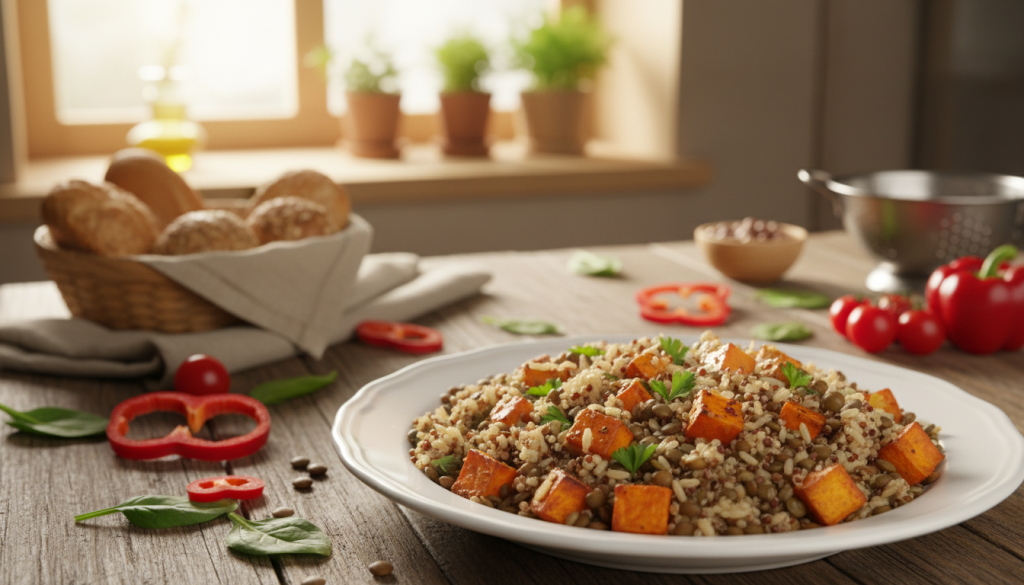
Choosing Whole Grains
Incorporating whole grains into your diet is a straightforward way to increase your intake of complex carbohydrates. Whole grains provide not only fiber but also essential vitamins, minerals, and antioxidants. When shopping for whole grain products, look for labels that say “100% whole wheat” or “whole grain” to ensure you’re getting the nutritional benefits.
Some examples of whole grains include oats, barley, bulgur, and farro. Experimenting with different whole grains can add variety to your meals and enhance their nutritional profile.
Portion Control Tips
Managing carbohydrate intake is not just about choosing the right types of carbs but also about consuming them in appropriate amounts. Practicing portion control can help maintain a healthy balance and prevent overconsumption of carbohydrates.
- Use a food scale or measuring cups to gauge your portions accurately.
- Fill half your plate with vegetables, a quarter with lean protein, and a quarter with whole grains or complex carbohydrates.
- Be mindful of serving sizes listed on food labels and compare them to your actual consumption.
By understanding the difference between complex and simple carbohydrates, choosing whole grains, and practicing portion control, you can make healthier choices that support your overall well-being and contribute to a low-calorie menu or health-conscious recipes.
Healthy Fats: The Essential Nutrients
Healthy fats play a vital role in a balanced diet menu, supporting heart health and energy production. They are essential for the absorption of vitamins and maintaining healthy skin and hair. A diet rich in healthy fats can also contribute to feeling fuller for longer, aiding in weight management.
The Role of Healthy Fats in Your Diet
Healthy fats are crucial for various bodily functions, including the absorption of fat-soluble vitamins such as vitamins A, D, E, and K. They also provide a sustained energy source and support heart health by improving cholesterol levels. Moreover, healthy fats are vital for brain function and the production of hormones.
Sources of Good Fats
Some of the best sources of healthy fats include nuts and seeds, such as almonds and chia seeds, avocados, and olive oil. Fatty fish like salmon are also rich in healthy fats, particularly omega-3 fatty acids, which are known for their anti-inflammatory properties. Incorporating these foods into your nutrient-rich meals can significantly enhance your overall health.
How to Incorporate Healthy Fats
Incorporating healthy fats into your diet can be simple and delicious. Start by adding sliced avocado to your breakfast toast or using olive oil as your primary cooking oil. Snacking on nuts and seeds is another easy way to increase your intake of healthy fats. You can also include fatty fish in your meals a few times a week to boost your omega-3 intake.
To make the most of healthy fats, it’s essential to be mindful of portion sizes. While healthy fats are beneficial, they are still high in calories. A balanced approach is key to reaping the benefits without overdoing it.
Making Smart Substitutions in Your Meal Plan
Making smart substitutions in your meal plan can significantly enhance your overall health and wellbeing. By replacing less healthy ingredients with healthier alternatives, you can improve the nutritional quality of your meals without sacrificing flavor. This approach is a key component of a clean eating regimen and is supported by dietitian-approved meal plans.
Adopting healthier ingredient swaps is a straightforward way to upgrade your diet. For instance, choosing whole grains over refined grains can increase your fiber intake, while opting for lean proteins like poultry and fish can reduce your saturated fat consumption. Similarly, substituting unhealthy fats with healthier ones, such as using avocado oil instead of partially hydrogenated oils, can have a positive impact on heart health.
Healthier Ingredient Swaps
One of the simplest ways to make your meals healthier is by swapping out unhealthy ingredients for better alternatives. For example, you can replace white rice with brown rice or quinoa, and choose whole wheat bread instead of white bread. These swaps can make a significant difference in your overall nutrient intake.
Another effective strategy is to use herbs and spices to add flavor instead of relying on salt and sugar. This not only reduces your sodium and sugar intake but also introduces a variety of antioxidants and other beneficial compounds into your diet.
Flavor That Doesn’t Compromise Health
Maintaining flavor without compromising health is achievable through the use of herbs, spices, and other seasonings. Experimenting with different cuisines, such as Mediterranean or Asian cooking, can introduce you to a wide range of flavors that are both healthy and delicious.
Using citrus juices, vinegar, and healthy oils can also enhance the flavor of your meals without adding extra salt or sugar. For example, a squeeze of fresh lemon juice can brighten up a salad, while a drizzle of olive oil can add richness to your dishes.
Tips for Reducing Sugar and Sodium
Reducing sugar and sodium intake is crucial for heart health and managing blood pressure. One effective tip is to gradually decrease the amount of sugar and salt used in your recipes, allowing your taste buds to adjust over time.
Reading food labels is also essential, as many processed foods contain high amounts of hidden sugars and sodium. Choosing products with lower sodium and sugar content can significantly impact your overall intake.
- Gradually reduce sugar and salt in recipes.
- Read food labels carefully.
- Choose products with lower sodium and sugar.
- Use herbs and spices for flavor.
By implementing these strategies, you can create a dietitian-approved meal plan that is both healthy and enjoyable. Making smart substitutions is a simple yet effective way to nourish your body and support your overall wellbeing.
Staying Motivated on Your Healthy Meal Plan Journey
As you start your healthy meal plan, it’s essential to have strategies in place to keep you motivated. Maintaining a healthy meal plan over time can be challenging, but with the right approach, it can become a sustainable part of your lifestyle.
Tracking Your Progress
One effective way to stay motivated is by tracking your progress. Keeping a food diary or using a meal planning app can help you monitor your eating habits and identify areas for improvement. This not only helps in making necessary adjustments but also gives you a sense of accomplishment as you see your progress over time.
Regularly reviewing your progress can also help you stay on track by highlighting patterns or habits that may be hindering your goals. By being aware of these patterns, you can make informed decisions to adjust your wholesome meal prep strategies.
Finding Support Systems
Having a support system can significantly enhance your motivation. This could be in the form of family and friends who support your healthy eating goals or joining a community of like-minded individuals. Sharing recipes, tips, and experiences with others on a similar journey can provide encouragement and inspiration.
Online forums, social media groups, and local health food stores can be great resources for finding support. Engaging with others who share your goals can make the journey more enjoyable and help you stay committed to your healthy meal plan.
Celebrating Small Wins
Celebrating your achievements, no matter how small, is crucial for staying motivated. Whether it’s trying a new recipe, sticking to your meal plan for a week, or simply feeling more energized, acknowledging these milestones can boost your morale.
By focusing on the positive changes you’re making, you can reinforce your commitment to your health goals. This positive reinforcement can make a significant difference in your ability to maintain a wholesome meal prep routine over the long term.
Adapting Your Healthy Meal Plan Over Time
As you progress on your journey to a healthier lifestyle, your nutritious eating plan should evolve to meet your changing needs. This involves reassessing your dietary requirements and adjusting your meal plan accordingly.
Changing Dietary Needs
Your dietary needs may change due to various factors such as age, activity level, or health conditions. Regularly reviewing and adjusting your meal plan ensures it remains effective and relevant.
Seasonal Adjustments
Seasonal changes offer an opportunity to incorporate fresh, seasonal produce into your meals. This not only enhances the flavor and nutritional value of your meals but also supports local farmers and reduces environmental impact.
New Recipes for Variety
Incorporating health-conscious recipes into your meal plan keeps things fresh and exciting. Exploring new ingredients and cooking methods can help you stay motivated and committed to your healthy eating goals.